
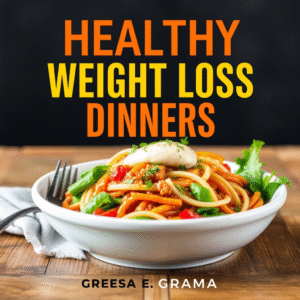
Embarking on a weight loss journey often begins with a critical look at our daily meals, and dinner holds a particularly important role. This article delves into the principles of healthy weight loss dinners, exploring how to craft satisfying, nutrient-dense, and calorie-controlled meals that support your goals without sacrificing flavor or leaving you feeling deprived. Discover practical strategies and delicious recipe ideas to transform your evening meal.
The Foundation of Weight Loss Dinners: Principles and Key Components
The evening meal is often the largest and most calorie-dense for many, making it a pivotal point for weight management. To successfully navigate weight loss through dinner, it’s crucial to understand the underlying principles of healthy eating. At its core, weight loss necessitates a consistent calorie deficit, meaning you consume fewer calories than your body expends. However, this deficit must prioritize nutrient density over mere calorie restriction to ensure your body receives essential vitamins, minerals, and macronutrients, preventing deficiencies and sustaining energy levels.
One of the most critical components of a weight loss-friendly dinner is protein. Protein is renowned for its high satiety factor; it keeps you feeling full longer compared to carbohydrates or fats, significantly reducing the likelihood of late-night snacking and subsequent calorie overconsumption. Furthermore, protein plays a vital role in preserving lean muscle mass during weight loss. Adequate protein intake helps mitigate muscle breakdown, ensuring that the weight you lose is primarily fat. Excellent lean protein sources include chicken breast, turkey, fish (salmon, cod), eggs, tofu, tempeh, lentils, and beans. Aim for a substantial portion of protein, typically 20-30 grams per meal, to reap these benefits.
Equally important is fiber. Abundant in vegetables, fruits, and whole grains, fiber adds bulk to your meal without adding significant calories. It slows down digestion, contributing to prolonged feelings of fullness and helping to stabilize blood sugar levels, preventing energy crashes and subsequent cravings. Moreover, fiber promotes healthy digestion and gut health, increasingly recognized for its impact on metabolism and weight. Prioritize non-starchy vegetables like leafy greens (spinach, kale), broccoli, cauliflower, bell peppers, zucchini, and green beans. These are incredibly low in calories but packed with vitamins, minerals, and fiber. While some complex carbohydrates like quinoa, brown rice, or sweet potatoes can be included for additional fiber and sustained energy, portion control is key here, as their calorie density is higher than non-starchy vegetables.
Healthy fats, often mistakenly demonized in weight loss contexts, are essential for satiety, hormone production, and the absorption of fat-soluble vitamins. While calorie-dense, incorporating a small amount of healthy fats can enhance the flavor and satisfaction of your dinner, preventing feelings of deprivation. Sources like avocado, olive oil, nuts, and seeds provide beneficial monounsaturated and polyunsaturated fats. The key is moderation; a tablespoon of olive oil or a quarter of an avocado can make a significant difference without derailing your calorie goals. It’s also crucial to distinguish healthy fats from trans fats and excessive saturated fats found in processed foods, which offer little nutritional value.
Beyond macronutrients, portion control is the silent hero of weight loss. Even the healthiest foods can lead to weight gain if consumed in excess. Learning to estimate appropriate serving sizes or using smaller plates can be incredibly effective. A useful visual guide is to fill half your plate with non-starchy vegetables, a quarter with lean protein, and the remaining quarter with a small portion of complex carbohydrates or healthy fats. Hydration also plays a significant, often overlooked, role. Drinking water before and during your meal can help you feel fuller, potentially reducing overall food intake and aiding metabolism. Consciously planning and preparing your meals, perhaps through batch cooking on weekends, can also prevent impulsive, less healthy choices on busy weeknights, ensuring consistency. By focusing on these core principles – adequate protein and fiber, balanced healthy fats, diligent portion control, and mindful hydration – you lay a robust foundation for truly effective and enjoyable weight loss dinners.
Crafting Delicious and Effective Weight Loss Dinners: Recipe Ideas and Strategies
With a solid understanding of nutritional principles, the next step is translating this knowledge into enjoyable and easy-to-prepare meals. Healthy eating offers immense versatility; you don’t need bland or restrictive meals. Instead, focus on combinations of lean proteins, abundant vegetables, and smart flavor enhancements to create satisfying dishes that actively support your weight loss journey.
One efficient and clean way to prepare a healthy dinner is through sheet pan dinners. Toss protein (chicken breast pieces, fish fillets, tofu, or shrimp) and a variety of non-starchy vegetables (broccoli, bell peppers, zucchini, asparagus) with a light drizzle of olive oil, herbs, and spices. Spread everything on a single sheet pan and roast until cooked. This method simplifies cleanup, allows for even cooking, and locks in flavors. For instance, combine paprika-spiced chicken with roasted Brussels sprouts, or lemon-dill salmon with asparagus. The high heat of roasting enhances vegetable sweetness, making them incredibly appealing.
Hearty salad bowls offer another fantastic avenue. Forget meager side salads; think substantial, nutrient-packed bowls. Start with a generous base of mixed greens (spinach, romaine). Add a significant lean protein – grilled chicken, flaked salmon, hard-boiled eggs, chickpeas, or lentils. Layer in colorful vegetables like shredded carrots, cucumber, bell peppers, and cherry tomatoes. The key to a healthy salad is the dressing: opt for homemade vinaigrettes using olive oil, vinegar, Dijon mustard, and herbs, rather than creamy, high-calorie store-bought options. A squeeze of lemon juice often suffices, keeping calories in check while maximizing nutrient intake.
Stir-fries are incredibly versatile and quick, perfect for busy weeknights. Choose a lean protein (sliced chicken, beef, shrimp, or tofu), an array of colorful vegetables (broccoli, snow peas, carrots, bok choy), and a flavorful, low-sodium sauce. Avoid sugary, pre-made sauces. Instead, create a light sauce with low-sodium soy sauce or tamari, ginger, garlic, rice vinegar, and a touch of sesame oil. Cook protein first, then add vegetables, stir-frying until crisp-tender. Serve with a small portion of brown rice, quinoa, or cauliflower rice for a lower-carb option. This method allows for endless variations, keeping meals exciting and preventing dietary boredom.
For warmth and comfort, lean protein and vegetable combos or hearty soups and stews are excellent choices. Think baked cod with steamed green beans, or grilled turkey alongside roasted cauliflower. Soups and stews, when made correctly, are incredibly filling and low in calories. Focus on broth-based versions loaded with vegetables and lean protein. A chicken and vegetable soup, a lentil stew, or a minestrone packed with beans and vegetables (without heavy pasta or cream) can be both nourishing and satisfying. Slow cookers are ideal for these, allowing flavors to meld beautifully with minimal effort and great for meal prepping.
To keep dinners consistently healthy and appealing, embrace herbs and spices generously; they add depth without extra calories or unhealthy fats. Fresh cilantro, parsley, basil, dill, oregano, thyme, cumin, and chili powder transform simple dishes. Citrus juices (lemon, lime) provide a bright, fresh flavor lift. Furthermore, meal prepping is a game-changer. Dedicate time on a weekend to chop vegetables, cook a batch of lean protein, or prepare a large pot of soup. Having healthy components ready reduces the temptation for less healthy takeout. Avoid common pitfalls such as excessive cooking oils, creamy sauces, high-sugar marinades, and refined carbohydrates. By focusing on fresh, whole ingredients, thoughtful preparation, and mindful portioning, you can create diverse, delicious, and effective dinners that support your weight loss journey and nourish your body.
Crafting healthy dinners is fundamental to successful weight loss, emphasizing nutrient density, lean protein, and ample fiber for satiety. By embracing strategic meal planning, versatile cooking methods like sheet pan dinners and stir-fries, and mindful portion control, you can create delicious, satisfying meals that fuel your body and propel you towards your health goals. Make dinner a cornerstone of your wellness journey, proving that healthy eating can be both effective and enjoyable.