
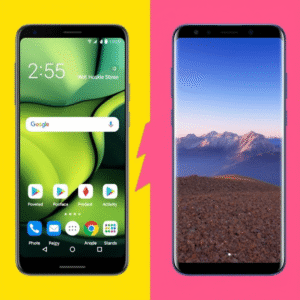
In the fiercely competitive world of mobile technology, choosing a new smartphone can be an overwhelming task. With innovation happening at a breakneck pace, distinguishing between the marketing hype and genuine advancements is crucial. This article delves into a comprehensive comparison of the top smartphones, dissecting their strengths, weaknesses, and unique selling propositions to help you navigate the crowded market and make an informed decision.
The Titans of the Smartphone Arena: Flagship Contenders and Their Core Strengths
The smartphone market’s apex is dominated by a few recurring giants, each bringing a distinct philosophy to the table. Apple’s iPhone series, particularly the Pro models, stands as a testament to its tightly integrated ecosystem, unparalleled software-hardware optimization, and robust security. Samsung’s Galaxy S and now its revolutionary Fold/Flip series represent Android’s pinnacle of hardware innovation, featuring cutting-edge displays, versatile camera systems, and a commitment to pushing the boundaries of phone design. Google’s Pixel line, while perhaps not matching the sheer sales volume of its rivals, carves out its niche through computational photography wizardry, stock Android purity, and unique AI-driven features. Emerging contenders like OnePlus and Xiaomi often challenge these established players by offering compelling hardware at aggressive price points, focusing on raw performance or specific premium features.
When comparing these titans, several core aspects emerge as primary differentiators. Design and Build Quality are often the first impressions. Apple typically favors flat, angular designs with premium materials like Ceramic Shield glass and surgical-grade stainless steel, emphasizing durability and a premium feel. Samsung often opts for curved displays, a more futuristic aesthetic, and sophisticated finishes, frequently employing Gorilla Glass Victus or Armor Aluminum for resilience. Google’s Pixels often lean towards a distinctive, minimalist design language with a recognizable camera bar, blending metal and glass or matte finishes. Beyond aesthetics, the ergonomic feel, weight distribution, and IP rating for dust and water resistance are critical considerations for daily usability and longevity.
Performance is another crucial battleground. Apple’s A-series Bionic chips consistently lead in synthetic benchmarks, offering industry-leading single-core and multi-core performance, which translates into buttery-smooth app launches, demanding gaming, and seamless multitasking. Samsung utilizes Qualcomm’s Snapdragon chips (or its own Exynos processors in some regions), which are powerful and highly optimized for Android’s versatility. Google’s Tensor chips, while perhaps not topping raw CPU benchmarks, are specifically engineered for on-device AI and machine learning tasks, enhancing features like voice recognition, live translation, and advanced computational photography. The synergy between hardware and software dictates real-world speed, and here, optimization often trumps raw specifications. Adequate RAM, typically 8GB to 12GB in flagships, ensures app retention and fluid transitions, though iOS’s memory management often achieves similar fluidity with less.
The Display Technology in modern flagships is nothing short of breathtaking. Almost universally, top-tier smartphones employ OLED or AMOLED panels, known for their perfect blacks, vibrant colors, and energy efficiency. Key specifications include resolution (often exceeding 1080p, sometimes reaching Quad HD+), peak brightness for outdoor visibility and HDR content, and refresh rates. A 120Hz adaptive refresh rate, now standard, dynamically adjusts from 1Hz to 120Hz, providing incredibly smooth scrolling and responsiveness while conserving battery life when static content is displayed. Samsung is often lauded for its display panels, frequently setting industry benchmarks for color accuracy and brightness, but Apple and Google are not far behind, offering equally stunning visual experiences tailored to their respective ecosystems. The presence of features like always-on displays also adds a layer of convenience, allowing users to quickly check notifications and time without fully waking the device.
Lastly, Battery Life and Charging remain critical considerations. While exact mAh ratings can vary widely, the actual longevity depends heavily on software optimization, screen-on time, and individual usage patterns. Most flagships aim to provide an all-day battery life for moderate users. Fast charging has become a ubiquitous feature, with some Android phones supporting speeds up to 120W or more, significantly reducing downtime. Apple’s fast charging is more modest but still effective. Wireless charging and reverse wireless charging (allowing the phone to power accessories or other devices) are also common conveniences, though their practical utility can vary for users. The longevity of the battery itself over years of use is also a factor, with manufacturers often implementing software features to prolong battery health.
Deep Dive into Key Battlegrounds: Camera, Innovation, and Value Proposition
The smartphone camera has evolved from a mere utility into a sophisticated imaging tool, often replacing dedicated point-and-shoot cameras. This is perhaps the most fiercely contested battleground among flagship phones. While megapixels are often highlighted, they tell only part of the story. Key factors include sensor size (larger sensors capture more light, leading to better low-light performance and natural depth of field), aperture (wider apertures, indicated by smaller f-numbers, also improve low-light performance), and Optical Image Stabilization (OIS), which counteracts hand shake for sharper photos and smoother videos. The primary wide-angle lens is almost always accompanied by an ultrawide lens for expansive shots and often a telephoto lens for optical zoom, with some phones offering multiple telephoto options or periscope lenses for extended zoom capabilities. Macro modes and specialized depth sensors further enhance versatility.
However, what truly differentiates modern smartphone cameras is computational photography. Google Pixel phones are pioneers here, leveraging their Tensor chips and advanced algorithms to fuse multiple exposures, correct for imperfections, and produce stunning HDR images, often outperforming phones with theoretically superior hardware. Features like Magic Eraser and Photo Unblur showcase the power of on-device AI for post-processing. Apple’s iPhones excel in color accuracy, consistent performance across all lenses, and exceptional video recording capabilities, including cinematic mode for dramatic depth-of-field effects and ProRes video capture for professional workflows. Samsung offers the most versatile camera systems, often providing the widest range of lenses, highest zoom capabilities, and a plethora of shooting modes, appealing to users who desire flexibility above all else. Its AI scene optimization and Expert RAW mode allow for greater creative control. Each brand has its unique “look,” and personal preference often dictates which camera system a user prefers.
Innovation and Future Trends are constantly reshaping the smartphone landscape. The most significant recent innovation is the emergence of foldable smartphones. Devices like Samsung’s Galaxy Z Fold and Z Flip, Google’s Pixel Fold, and OnePlus Open represent a bold leap, offering dramatically increased screen real estate in a pocketable form factor or a nostalgic clamshell design that fits in smaller pockets. While still premium-priced and subject to specific durability considerations, foldables promise to redefine productivity and entertainment on the go. Furthermore, AI integration is deepening, moving beyond camera features to improve call quality, enhance security, personalize user experiences, and automate routine tasks. Advancements in connectivity like Wi-Fi 7 and potentially satellite communication for emergency situations are also pushing the boundaries. Biometric security has also matured, with Apple’s Face ID remaining a gold standard for secure facial recognition, while in-display fingerprint sensors on Android devices have become faster and more reliable.
Finally, the Value Proposition and User Experience are paramount. Flagship smartphones represent a significant investment, often ranging from $800 to over $1500. What justifies this price tag? It’s not just the sum of their parts but the cohesive experience, longevity, and ecosystem benefits. Apple users often value the seamless integration across Apple devices, robust privacy features, and long-term software support (typically 5-7 years). Android users appreciate the open nature of the operating system, greater customization options, and the diversity of hardware choices. Samsung offers its own rich ecosystem with SmartThings and DeX for desktop-like productivity. Google Pixel users are drawn to the pure Android experience, immediate software updates, and unique AI features that genuinely improve daily life. Longevity, including guaranteed software updates and access to repair services, plays a vital role in the overall value proposition. Ultimately, the “best” smartphone isn’t a universal truth; it’s the one that best aligns with an individual’s specific needs, budget, and desired user experience, whether that’s for photography, gaming, productivity, or simply reliable daily communication.
In conclusion, the top smartphone comparison reveals a dynamic market where each contender excels in different areas. While iPhones offer unmatched ecosystem integration and consistent performance, Samsung pushes hardware innovation, and Google Pixel leads in computational intelligence. The ultimate choice hinges on individual priorities – be it camera prowess, display quality, software experience, or the allure of groundbreaking foldable technology. Consider your personal needs and preferences to select the device that truly elevates your digital life.